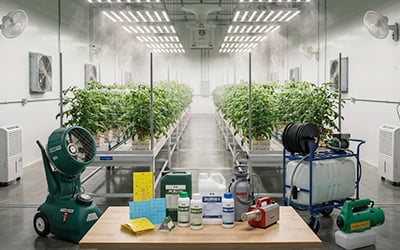
Sprayers: Achieve precise application of pest control products with our selection of sprayers. Whether you need handheld sprayers for targeted treatment or larger sprayers for larger areas, we have the right solution for your needs.
Foggers: Combat pests in enclosed spaces with our fogging equipment. Our foggers disperse insecticides efficiently, reaching areas that are difficult to access through conventional methods. Ensure thorough coverage and effective pest control with our fogging solutions.
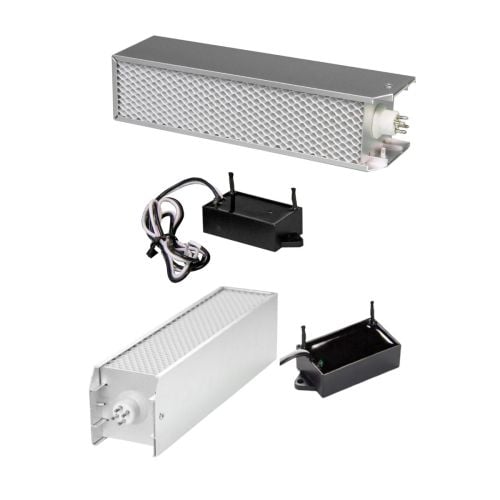
Biosecurity Products: Safeguard your crops and facilities against the introduction and spread of pathogens and microbes with our comprehensive range of biosecurity solutions. From sanitation essentials to specialized personal protective equipment (PPE), we offer a complete lineup of products to fortify your operations.
Pest Management Accessories: Enhance your pest control efforts with our range of accessories. From protective gear, sticky trap to microscope, we provide everything you need to streamline your pest management practices.
Why Choose Us?
Quality Assurance: Our products undergo rigorous testing to ensure effectiveness and safety.
Expert Advice: Our team of experts is here to provide guidance and support, helping you choose the right products for your specific needs.
Environmental Responsibility: We are committed to offering sustainable pest control solutions that minimize environmental impact.
Shop Now
Browse our selection of Integrated Pest Management products and take control of your pest problems today. With our reliable solutions and expert support, you can achieve effective pest management while promoting a healthier environment.
Frequently ask questions (FAQ)
1. What is Integrated Pest Management (IPM), and why is it important for your cultivation?
Integrated Pest Management (IPM) is a holistic approach to pest control that emphasizes prevention, monitoring, and intervention to minimize the impact of pests on crops while reducing reliance on chemical treatments. In cannabis cultivation, where pest management is crucial for maintaining plant health and maximizing yield, IPM strategies help growers mitigate pest pressures effectively while promoting environmental sustainability.
2. What types of pests commonly affect cannabis plants, and how can I identify them?
Common pests that affect cannabis plants include spider mites, aphids, thrips, whiteflies, and various fungal pathogens such as powdery mildew and botrytis. Symptoms of pest infestation may include yellowing or stippling of leaves, webbing on plant surfaces, distorted growth, and visible signs of fungal growth. Regular inspection of plants and proactive monitoring are key to early detection and effective pest management.
3. How do I implement an Integrated Pest Management (IPM) program for my cannabis garden?
Implementing an IPM program for cannabis cultivation involves several key steps:
• Identify and monitor pests: Regularly inspect plants for signs of pest activity and monitor pest populations to assess the severity of infestations.
• Cultural practices: Implement cultural practices such as proper sanitation, crop rotation, and pruning to reduce pest habitat and promote plant health.
• Biological controls: Introduce beneficial insects or organisms that prey on or parasitize pest populations to help suppress pest numbers naturally.
• Chemical controls: Use pesticides and fungicides judiciously as part of an integrated approach, selecting products that are effective against target pests while minimizing harm to beneficial organisms and the environment.
• Recordkeeping and evaluation: Keep detailed records of pest observations, control measures implemented, and their effectiveness to refine your IPM strategies over time.
4. Are there organic options available for pest and disease control in cannabis cultivation?
Yes, there are organic options available for pest and disease control in cannabis cultivation. Organic pesticides and fungicides derived from natural sources such as plant extracts, microbial agents, and minerals can be effective alternatives to conventional chemical treatments. Additionally, cultural practices such as companion planting and mulching can help deter pests and suppress diseases in an organic cannabis garden.
5. How can I prevent pesticide residues on my cannabis flowers during cultivation?
To minimize pesticide residues on cannabis flowers during cultivation:
• Follow label instructions carefully when applying pesticides, including adhering to recommended application rates and pre-harvest intervals.
• Use pesticides approved for use on cannabis in your region and follow regulations governing pesticide use in agriculture.
• Apply pesticides during the appropriate growth stages to minimize residue accumulation on flowering plants.
• Consider alternative pest management strategies such as biological controls and cultural practices to reduce reliance on chemical treatments.
6. Where can I find additional resources and support for cannabis cultivation and pest management?
For additional resources and support for cannabis cultivation and pest management, consider consulting with local agricultural extension services, university research programs, and industry organizations specializing in cannabis cultivation. Online forums and communities dedicated to cannabis growing can also provide valuable insights and support from experienced growers.
7. How can I prevent pest infestations in my indoor cannabis grow operation?
Preventing pest infestations in indoor cannabis grow operations requires strict sanitation protocols and proactive monitoring. Here are some tips:
• Regularly clean and disinfect grow room surfaces and equipment to eliminate potential pest habitats.
• Seal entry points such as vents, windows, and doorways to prevent pests from entering the grow space.
• Implement strict quarantine measures for new plants or equipment to prevent introducing pests into the grow room.
• Install physical barriers such as screens or nets to exclude flying insects from the indoor environment.
• Monitor environmental conditions such as temperature and humidity to create unfavorable conditions for pest proliferation.
8. Are there organic methods for controlling spider mites on cannabis plants?
Yes, several organic methods can effectively control spider mites on cannabis plants without the use of chemical pesticides. These include:
• Introducing predatory mites such as Phytoseiulus persimilis or Neoseiulus californicus, which feed on spider mites.
• Spraying plants with a solution of neem oil, which disrupts the feeding and reproduction of spider mites.
• Applying insecticidal soap or horticultural oil to suffocate and kill spider mites on contact.
• Using biological control agents such as Beauveria bassiana, a fungus that infects and kills spider mites.
9. How can I manage powdery mildew on my outdoor cannabis plants?
Managing powdery mildew on outdoor cannabis plants requires a multifaceted approach that includes cultural, biological, and chemical controls:
• Increase airflow around plants by spacing them apart and pruning to improve ventilation.
• Apply preventative treatments such as potassium bicarbonate or sulfur-based fungicides to inhibit powdery mildew growth.
• Introduce beneficial microorganisms such as Bacillus subtilis or Trichoderma harzianum, which compete with powdery mildew for resources and suppress its growth.
• Monitor environmental conditions and adjust irrigation practices to minimize humidity levels, as high humidity promotes powdery mildew development.
10. How can I safely dispose of unused pesticides and containers in compliance with regulations?
To safely dispose of unused pesticides and containers in compliance with regulations, follow these guidelines:
• Consult local regulations and guidelines for pesticide disposal in your area, as regulations may vary by region.
• Contact your local hazardous waste disposal facility or environmental agency for information on proper disposal methods and collection events.
• Triple-rinse pesticide containers with water to remove any remaining product, then puncture or crush containers to prevent reuse.
• Dispose of rinsed containers and unused pesticides at designated collection points or hazardous waste disposal facilities to prevent environmental contamination.
11. Can companion planting help control pests in a cannabis garden?
Yes, companion planting can be a valuable strategy for controlling pests in a cannabis garden by enhancing biodiversity and attracting beneficial insects. Some companion plants known to repel or deter pests include:
• Marigolds, which emit a strong scent that repels pests such as aphids and nematodes.
• Basil, which can deter mosquitoes, flies, and spider mites.
• Nasturtiums, which attract predatory insects such as ladybugs and lacewings that feed on aphids and other pests.
• Lavender, which repels moths, fleas, and mosquitoes while attracting pollinators such as bees and butterflies.
12. What measures can I take to prevent pesticide resistance in pest populations?
To prevent pesticide resistance in pest populations, growers should:
• Rotate pesticide classes or modes of action to prevent the development of resistance.
• Use pesticides sparingly and only when necessary to minimize selection pressure on pest populations.
• Implement integrated pest management (IPM) strategies that incorporate cultural, biological, and chemical controls to target pests at multiple stages of their life cycle.
• Monitor pest populations regularly and adjust control strategies based on efficacy and resistance management considerations.
• Consult with pest management professionals or agricultural extension services for guidance on resistance management strategies and best practices.