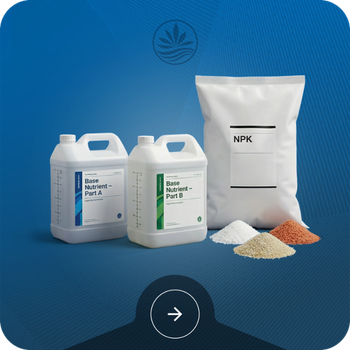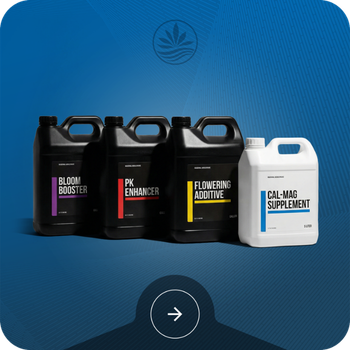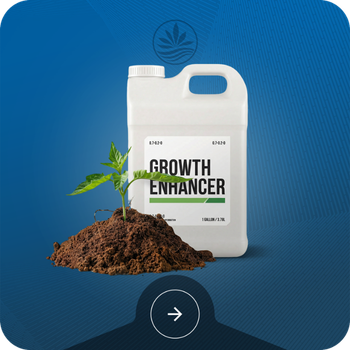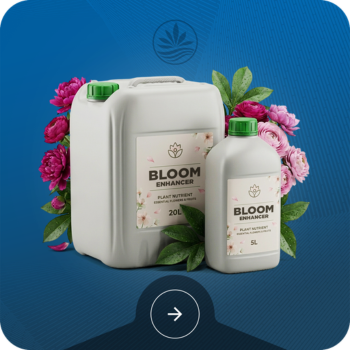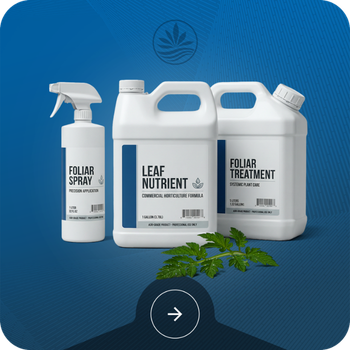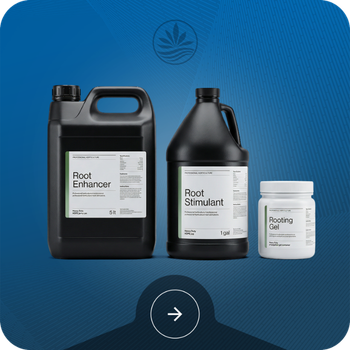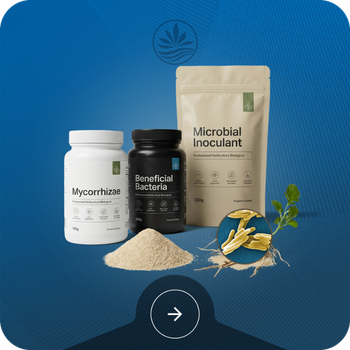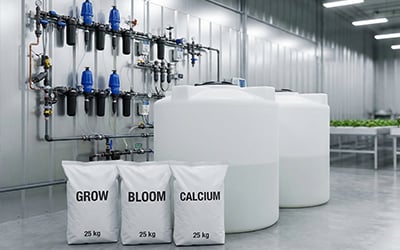
Explore our catalog today and experience the difference that superior nutrients can make in your horticultural endeavors. Partner with us and cultivate success, crop after crop.
Frequently Asked Questions
1. What types of plant nutrients do you offer?
We offer a wide range of plant nutrients including liquid and powdered formulations, designed to meet the diverse needs of various crops and cultivation methods.
2. Are these nutrients suitable for professional and commercial growers?
Absolutely. Our nutrient selection is curated with the needs of professional horticulturists and commercial growers in mind. Whether you're managing a large-scale greenhouse or a commercial cultivation operation, our products are tailored to meet your specific requirements.
3. Can your nutrients be used in hydroponic systems?
Yes, many of our nutrient solutions are formulated specifically for hydroponic systems, offering precise control over plant nutrition and maximizing yields in soilless growing environments.
4. Do you offer organic plant nutrient options?
Yes, we understand the importance of organic cultivation practices. That's why we offer a selection of organic and natural plant nutrient solutions for growers seeking environmentally-friendly alternatives.
5. How do I choose the right plant nutrients for my crops?
Our team of experts is here to assist you in selecting the perfect nutrients for your crops. Factors such as crop type, growth stage, and cultivation method are taken into consideration to ensure you get the most suitable products for your specific needs.
6. Can I get bulk quantities of plant nutrients for my commercial operation?
Absolutely. We offer bulk ordering options to accommodate the needs of commercial growers. Get in touch with us to discuss your requirements and explore our bulk pricing options.
7. Are your plant nutrients compatible with other fertilizers and supplements?
Yes, our nutrient solutions are designed to be compatible with a wide range of fertilizers and supplements. However, it's always recommended to consult our experts or refer to product labels for specific compatibility information.
8. Do you provide resources or guidance on nutrient application and management?
Yes, we're committed to supporting our customers with comprehensive resources and guidance on nutrient application, dosage, and management practices. Feel free to reach out to our team for personalized assistance and advice.
9. How can I place an order for plant nutrients?
Ordering is easy you just need to open an account with us and after that simply browse our online catalog, select the products you need, and proceed to checkout. For bulk orders or assistance with product selection, you can also contact our sales team for personalized support.
10. What are plant nutrients, and why are they important?
Plant nutrients are essential elements required for plant growth, development, and overall health. They include macronutrients like nitrogen (N), phosphorus (P), and potassium (K), as well as micronutrients like iron (Fe), zinc (Zn), and manganese (Mn). These nutrients play vital roles in various physiological processes within plants, such as photosynthesis, cell division, and enzyme activation.
11. What are the main types of plant nutrients?
Plant nutrients are generally classified into three main categories: macronutrients, secondary nutrients, and micronutrients. Macronutrients are required by plants in large quantities and include nitrogen (N), phosphorus (P), potassium (K), calcium (Ca), magnesium (Mg), and sulfur (S). Secondary nutrients are needed in smaller quantities and include elements like calcium, magnesium, and sulfur. Micronutrients are essential in even smaller amounts and include elements like iron, zinc, copper, manganese, boron, molybdenum, and chlorine.
12. How do I know if my plants are deficient in certain nutrients?
Plant nutrient deficiencies can manifest in various ways, including stunted growth, yellowing or discolored leaves, poor flowering or fruiting, and susceptibility to diseases or pests. Conducting regular soil tests or visual inspections of plant health can help identify nutrient deficiencies early on.
13. What is the difference between organic and synthetic plant nutrients?
Organic plant nutrients are derived from natural sources such as compost, manure, or plant residues and undergo minimal processing. They provide nutrients in a slower-release form and contribute to soil health and microbial activity. Synthetic plant nutrients, on the other hand, are chemically formulated and provide nutrients in readily available forms. They offer precise control over nutrient concentrations but may lack the soil-building benefits of organic nutrients.
14. How do I choose the right plant nutrients for my plants?
The choice of plant nutrients depends on various factors including plant type, growth stage, soil type, and environmental conditions. Conducting soil tests, understanding the nutritional needs of your plants, and consulting with experts can help you select the most appropriate nutrient formulations for your specific requirements.
15. Can I mix different types of plant nutrients together?
While some plant nutrients can be mixed together safely, it's essential to follow manufacturer recommendations and avoid incompatible combinations that may result in nutrient imbalances or chemical reactions. Always refer to product labels and consult with experts for guidance on nutrient mixing.
16. How do I apply plant nutrients to my plants?
Plant nutrients can be applied to plants through various methods, including soil incorporation, foliar spraying, fertigation (application through irrigation systems), and hydroponic nutrient solutions. The most suitable method depends on factors such as plant type, growth stage, and cultivation method.
17. What are the benefits of using plant nutrients in hydroponic systems?
Plant nutrients play a crucial role in hydroponic systems by providing essential elements directly to plant roots in a controlled environment. This allows for precise nutrient management, faster plant growth, higher yields, and reduced water usage compared to traditional soil-based cultivation methods.
18. How often should I fertilize my plants with nutrients?
The frequency of nutrient application depends on factors such as plant type, growth stage, soil fertility, and environmental conditions. It's essential to follow manufacturer recommendations and monitor plant response to ensure optimal nutrient uptake without over-fertilization.
19. Are there any environmental considerations when using plant nutrients?
Yes, proper nutrient management is essential to prevent nutrient runoff and minimize environmental impact. Using nutrient formulations with balanced nutrient ratios, applying nutrients at recommended rates, and implementing sustainable farming practices can help minimize nutrient pollution and protect water quality.