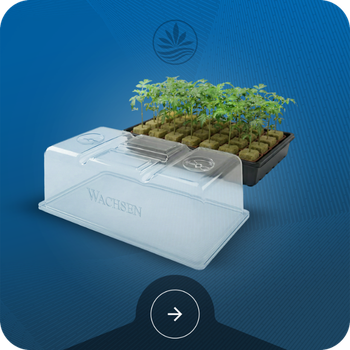
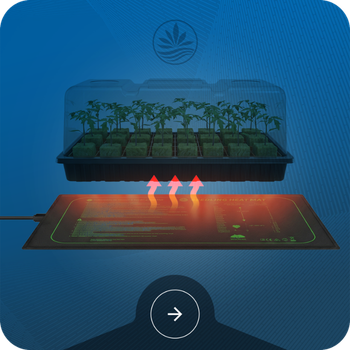
Starting from seeds? Our seed starting supplies are designed to give your seeds the best possible start in life. From our durable seedling trays and humidity domes to our premium starter plugs and heat mats, each product is crafted with precision and care to create the optimal environment for seed germination and seedling development. Whether you're germinating a few seeds for your personal garden or sowing hundreds for a commercial operation, our seed starting kits provide everything you need to kickstart your propagation process with confidence.
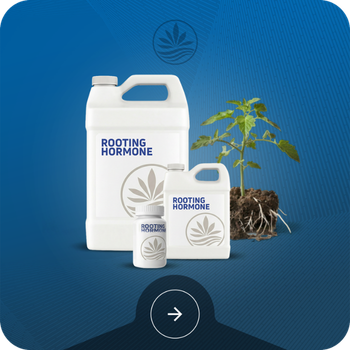
Prefer the convenience and efficiency of cloning? Our cloning equipment offers a hassle-free solution for propagating your favorite plant varieties. Explore our cutting-edge cloning machines and hydroponic cloning supplies, meticulously engineered to simplify the cloning process and ensure high success rates. With our cloning gels and rooting solutions, you can accelerate root growth and improve overall plant vigor, giving your clones the best possible chance of thriving.
Knowledge & Expertise: But propagation isn't just about the equipment—it's also about knowledge and expertise. That's why we offer a wealth of educational resources and expert guides to help you navigate the intricacies of seed starting and cloning. Whether you're a novice grower or a seasoned expert, our dedicated team is available to provide personalized advice and support, ensuring you have the tools and knowledge you need to succeed.
Frequently Asked Questions about Plant Propagation
1. How long does it take for plant cuttings to root?
Rooting times vary depending on the plant variety, but in general, you can expect to see roots within 7 to 21 days after taking the cutting. Using rooting hormones and providing optimal environmental conditions can help expedite the process.
2. At what age should a mother plant be before cloning?
For the best cloning success, it's recommended to take cuttings from a mother plant that is 2 to 3 months into the vegetative stage. This ensures the plant has enough growth to supply healthy clones without causing stress.
3. What are the essential supplies needed for successful plant propagation?
Essential propagation supplies include seedling trays, humidity domes, starter plugs, heat mats (for seed starting), cloning machines or propagation trays (for cloning), rooting hormones, and appropriate lighting. Ensuring proper humidity, temperature, and lighting are crucial for successful propagation.
4. How can I improve my cloning success rate?
To improve cloning success, take cuttings from healthy mother plants during the vegetative stage, use sharp, clean tools to avoid contamination, dip cuttings in rooting gel or powder, maintain high humidity and proper temperature, and provide adequate lighting. Additionally, using a cloning machine or aeroponic system can further enhance success rates.
5. Can I propagate plants from cuttings taken from flowering plants?
While it's possible to propagate from flowering plants, it's generally recommended to take cuttings during the vegetative stage for higher success rates. Cuttings taken during flowering may have lower rooting success and take longer to establish roots.
6. How often should I mist my seedlings or cuttings during propagation?
It's essential to maintain consistent moisture levels during propagation, but over-misting can lead to fungal issues and damping-off. Generally, misting seedlings or cuttings once or twice a day is sufficient, depending on environmental conditions and the moisture-retention properties of your propagation medium.
7. What's the difference between rooting gel and rooting powder, and which should I use?
Rooting gel and rooting powder are both used to stimulate root growth in cuttings, but they differ in formulation and application. Rooting gel is a viscous gel that adheres well to cutting stems, providing moisture and hormones to stimulate root development. Rooting powder, on the other hand, is a fine powder containing rooting hormones that are dusted onto the cut end of the cutting. Both can be effective, so choose based on personal preference and availability.
8. How can I prevent mold and fungus from developing during propagation?
Mold and fungus can thrive in humid propagation environments, so it's essential to maintain proper ventilation and airflow. Avoid overcrowding seedlings or cuttings, use sterile propagation trays and tools, and monitor humidity levels closely. Additionally, applying a beneficial microbial inoculant to the propagation medium can help suppress harmful pathogens and promote healthy root growth.
9. Can I propagate all plant varieties using the same methods?
While many plant species can be propagated using similar techniques, some may have specific requirements or challenges. It's essential to research the propagation requirements of each plant species or variety you're working with and tailor your methods accordingly. Factors such as rooting hormones, temperature, humidity, and lighting may vary depending on the plant's characteristics.
10. Is it possible to propagate plants in soilless mediums like coco coir or rockwool?
Yes, soilless mediums like coco coir and rockwool are commonly used for plant propagation due to their excellent moisture retention and aeration properties. These mediums provide a clean, sterile environment for rooting cuttings and can help prevent soil-borne diseases. However, proper irrigation and nutrient management are crucial when using soilless mediums to ensure optimal root growth and plant health.
11. Can I propagate plants outdoors, or is it best done indoors?
Plant propagation can be done both indoors and outdoors, depending on environmental conditions and the specific needs of the plant species. Indoor propagation offers greater control over factors like temperature, humidity, and lighting, making it ideal for sensitive or delicate plants. However, outdoor propagation can also be successful, especially for hardy plant species adapted to local climate conditions.
12. How can I tell when my seedlings or cuttings are ready to be transplanted into larger containers?
Seedlings or cuttings are typically ready to be transplanted into larger containers once they have developed a healthy root system and several sets of true leaves. Check the root development by gently removing a few seedlings or cuttings from the propagation medium and inspecting the roots. Transplant them into larger containers filled with a suitable growing medium, and continue to provide appropriate care and monitoring as they mature.
13. Can I propagate plants from seeds collected from store-bought fruits and vegetables?
While it's possible to collect seeds from store-bought fruits and vegetables, the viability of these seeds may vary depending on factors such as seed maturity, processing methods, and genetic hybridization. Additionally, some fruits and vegetables are hybrids or genetically modified organisms (GMOs), which may produce seeds with unpredictable traits. For best results, consider purchasing seeds from reputable suppliers specializing in open-pollinated or heirloom varieties.
14. What are some common mistakes to avoid when propagating plants?
Common mistakes in plant propagation include overwatering, underwatering, using contaminated propagation tools or mediums, exposing cuttings to direct sunlight or extreme temperatures, and neglecting to monitor humidity levels. It's essential to research and follow proper propagation techniques, maintain a clean and sterile environment, and closely monitor plant health throughout the process to avoid potential pitfalls.
15. Is it possible to propagate plants from leaves or stems rather than seeds or cuttings?
Yes, many plant species can be propagated from leaf or stem cuttings, a method known as vegetative propagation. This technique involves removing a leaf or stem segment from the parent plant and encouraging it to develop roots and grow into a new plant. Succulents, certain houseplants, and woody ornamentals are commonly propagated using leaf or stem cuttings, offering a simple and cost-effective way to expand your plant collection.
16. Can I propagate plants indoors without natural sunlight, using artificial grow lights instead?
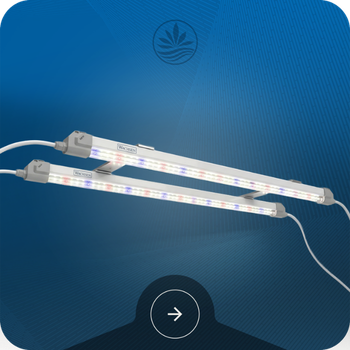
Yes, indoor propagation using artificial grow lights can be highly effective, providing the necessary spectrum of light for plant growth and development. LED grow lights, fluorescent tubes, and high-intensity discharge (HID) lamps are commonly used for indoor propagation, offering customizable light spectrums and intensity levels to suit different plant species and growth stages. Proper positioning, duration, and intensity of light exposure are crucial factors to consider when using artificial grow lights for propagation.
17. How can I encourage faster root growth and overall plant health during propagation?
To promote faster root growth and enhance plant vigor during propagation, consider using root-promoting additives such as mycorrhizae inoculants, beneficial bacteria, and organic fertilizers. These products can improve nutrient uptake, stimulate root development, and enhance resistance to environmental stressors, leading to stronger, healthier plants. Additionally, maintaining optimal environmental conditions, including proper humidity, temperature, and ventilation, is essential for successful propagation outcomes.
In Conclusion
At Hydrotek Hydroponics, we're committed to not only offering top-quality products but also providing exceptional customer service. With our competitive prices, extensive inventory, and fast shipping, we strive to exceed your expectations at every turn. Whether you're shopping for propagation supplies or seeking guidance on your next grow project, we're here to help.
So why choose Hydrotek Hydroponics for your planting supplies? Because we're more than just a store—we're your partner in growth. Whether you're embarking on your first propagation journey or expanding your existing operation, we're here to provide the tools, knowledge, and support you need to succeed.
Ready to take your propagation game to the next level? Explore our comprehensive selection of seed starting supplies, cloning equipment, and propagation essentials today, and let's grow together.